Can a Landlord Change the Locks if a Tenant Doesn't Pay Rent?
Your tenant has stopped paying rent, the debt keeps increasing, and you are considering simply changing the locks? As a general rule, do not do it. A tenant's failure to pay rent may constitute a serious breach of the lease, but it does not automatically allow the landlord to prevent the tenant from entering the property by changing the locks.
It is understandable for a property owner to think: “It is my apartment, so why can't I take it back?” However, while a tenant is lawfully in possession under a lease, ownership of the property and the tenant's right to possess and use it are two different issues. A unilateral lockout can turn a relatively straightforward rent dispute into an additional legal dispute concerning the landlord's own conduct.
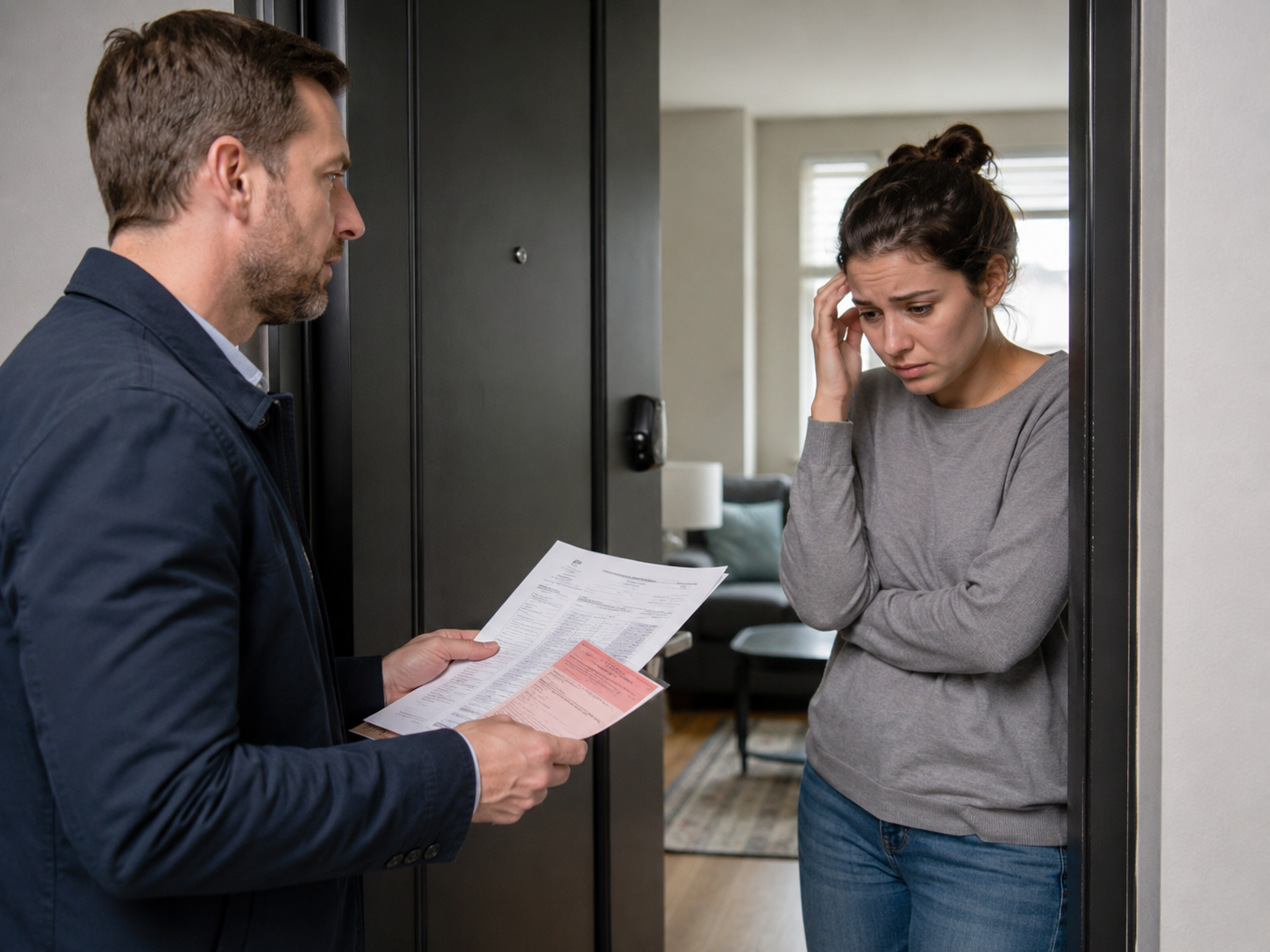
The Tenant Isn't Paying – Can the Landlord Change the Locks?
Do Not Use a Unilateral Lockout
Failure to pay rent is a significant breach of a tenant's obligations and may give the landlord substantial contractual and legal remedies. It does not, however, mean that the landlord should simply arrive at the property, replace the cylinder and prevent the tenant from entering.
As long as the tenant remains in possession of the property, the landlord should proceed through the appropriate legal process. A unilateral lockout may give the tenant grounds to raise claims against the landlord, even where the dispute originally arose because of the tenant's own breach.
“But I Own the Apartment” – Why Isn't That Enough?
A common mistake in landlord–tenant disputes is to confuse ownership of the property with the right to possess it during the lease.
The Landlord Owns the Property
The landlord's ownership does not disappear merely because the property has been rented out. Ownership gives the landlord important rights, but those rights must be exercised consistently with the lease and applicable law.
The Tenant Has Possession
During the tenancy, the tenant is given the right to possess and use the property in accordance with the lease. Preventing access to the property is therefore not merely a technical act involving a door lock.
Non-Payment Does Not Instantly Cancel Everything
Even when there is a clear breach, the lease, the nature of the breach, any notices given and the appropriate legal procedure must be examined before the landlord takes action.
It Is Not Only About the Locks
When rent is not being paid, the urge to apply immediate pressure is understandable. But this is precisely when a landlord should avoid creating a new legal problem.
Do Not Change the Locks
Do not replace the lock or cylinder in a manner that prevents the tenant from entering and using the property.
Do Not Remove Belongings
Do not remove the tenant's furniture, personal belongings or other property in an attempt to force the tenant out.
Do Not Cut Off Utilities
Intentionally disconnecting water, electricity or other essential services as leverage may create an additional dispute.
Do Not Enter by Force
The fact that a landlord may have retained a spare key does not create a general right to enter the rented property whenever the landlord chooses.
What if the Lease Says the Landlord May Change the Locks?
Some rental agreements contain provisions giving the landlord various rights in the event of a breach, including termination rights, access rights or provisions that appear to permit the landlord to retake possession.
The existence of such a clause does not mean that the landlord should automatically rely on it and carry out a self-help lockout. The exact wording of the provision, the nature of the breach, the rest of the agreement and the applicable legal framework should be examined first.
In particular, a clause that appears to allow a landlord to physically retake possession without a court process should be reviewed carefully before any action is taken.
Many disputes can be reduced in advance by using a lease that clearly addresses payment dates, guarantees, guarantors, breaches, notices and termination. You can read more about our rental agreement legal services .
Why Changing the Locks Can Make the Situation Worse
The Dispute Expands
Instead of dealing only with unpaid rent, the parties may now also be fighting about whether the tenant was unlawfully prevented from entering the property.
The Tenant May Raise Counterclaims
The tenant may argue that access to the home or personal belongings was improperly blocked or that the landlord caused additional damage.
New Evidence Disputes Arise
The parties may suddenly be arguing about who entered the property, when the lock was changed, which belongings remained inside and what happened to them.
The Landlord Weakens a Strong Position
Where the rent debt and breach are well documented, it is generally preferable for the landlord to approach the dispute having acted carefully and lawfully.
Can the Tenant Sue the Landlord After a Lockout?
Changing the locks is not simply a method of recovering a property. It can prevent the tenant from entering a home, accessing personal property and continuing to use premises that the tenant claims a right to possess.
Depending on the circumstances, a tenant who has been locked out may attempt to seek legal remedies against the landlord. The fact that the tenant has breached the lease does not necessarily prevent the tenant from making separate allegations concerning the landlord's conduct.
This is one of the main reasons why a landlord should avoid giving a non-paying tenant an entirely new issue to litigate.
The Tenant Is Not Paying – Deal With the Breach, Not the Lock
The objective is to enforce the landlord's rights without unnecessarily exposing the landlord to additional claims. The starting point is therefore the documentation and the lease.
Review the Lease
Check the amount due, the payment date, the breach provisions and what the agreement provides in the event of non-payment.
Document the Debt
Preserve messages, payment demands, bank records, bounced checks and any other evidence concerning the unpaid rent.
Demand Compliance
Depending on the agreement and circumstances, the tenant may be sent a clear demand regarding the breach and the required action.
Consider the Legal Route
If the tenant remains in possession and the problem is not resolved, the landlord should examine the appropriate legal procedure for recovering the property.
Do Not Change the Locks – Review the Proper Legal Route
For information about legal representation and the process for recovering possession, see our Tenant Eviction Lawyer in Israel page.
What About Less Clear-Cut Situations?
The Tenant Has Not Been at the Property for Several Days
A tenant's temporary physical absence does not necessarily mean that the tenant has abandoned possession or returned the apartment. Before changing the locks, determine whether the tenancy has actually ended and whether possession was returned.
The Tenant Said They Were Leaving but Left Belongings Behind
When personal property remains inside, do not automatically assume that the property has been fully surrendered. The circumstances should be examined and documented.
The Tenant Returned One Key but May Have Another
The important question is not merely how many keys exist. The question is whether possession of the property has actually been returned and the tenant has ceased using it.
The Tenant Wrote on WhatsApp That They Were Leaving
A written message can be important evidence, but the precise wording and what happened after the message should be examined before concluding that possession was legally and practically returned.
How Can Landlords Reduce the Risk Before a Tenant Moves In?
Many disputes concerning non-payment and the return of a property can be traced back to issues that were never clearly addressed in the rental agreement.
A properly drafted lease cannot guarantee that a tenant will never breach the agreement, but it can reduce uncertainty concerning rent payments, guarantees, guarantors, notice requirements, breaches and termination.
Landlords should therefore consider whether the agreement is appropriate for the particular property and transaction rather than automatically relying on an old template or a generic agreement downloaded online.
Changing the Locks on a Non-Paying Tenant – FAQ
Can a landlord change the locks if the tenant has not paid rent?
As a general rule, a landlord should not carry out a unilateral lockout merely because rent has not been paid. The lease and circumstances should be reviewed and the landlord should proceed through the appropriate legal route.
What if the tenant owes several months of rent?
The amount of the debt may significantly affect the landlord's contractual and legal remedies, but a larger debt does not by itself make a unilateral lock change risk-free or automatically lawful.
Can the landlord enter using a spare key?
Retaining a spare key does not create a general right to enter the rented property whenever the landlord wishes. The purpose of the entry, the lease provisions and the specific circumstances should be considered.
What if the lease expressly says the landlord may change the locks after a breach?
Such a provision should be reviewed carefully. A landlord should not assume that the clause automatically permits every form of unilateral action without considering the applicable law and the specific circumstances.
Can the landlord change the locks after the tenant has actually returned the apartment?
Yes, the situation is materially different once the tenancy has ended and possession has genuinely been returned to the landlord. It is important to make sure that the surrender of possession is clear and properly documented.
Can a tenant claim damages after being locked out?
Depending on the circumstances, a tenant prevented from entering the property or accessing personal belongings may attempt to bring claims against the landlord. This is one reason landlords should avoid creating an additional dispute through self-help measures.
Legal Advice for Landlord–Tenant and Real Estate Disputes
When a tenant stops paying rent, the question is not only what the tenant has breached, but also how the landlord can enforce rights without unnecessarily weakening the landlord's legal position.
You can read more about the firm's legal background and experience on our About Adv. Yuval Rabello page.
Before Changing the Locks – Find Out What You Can Legally Do
Send us the rental agreement, details of the unpaid rent and your correspondence with the tenant. We can review the situation and help you understand the appropriate next step based on the circumstances.
This article provides general information only and does not constitute legal advice. Each matter should be reviewed according to the rental agreement, the possession status of the property and the specific circumstances.